Your Essential Guide to Choosing the Right Carp Rods for Every Angler
Picking the right carp rod is vital for productive angling. Multiple factors affect this decision, including size, action, and material. Each element fulfills a crucial role in performance. Anglers must also consider their unique fishing style and conditions. With multiple options available, making the right choice can be overwhelming. Comprehending these fundamentals can lead to a more fulfilling experience on the water. However, the journey to finding the perfect rod begins with a closer look at the basics.
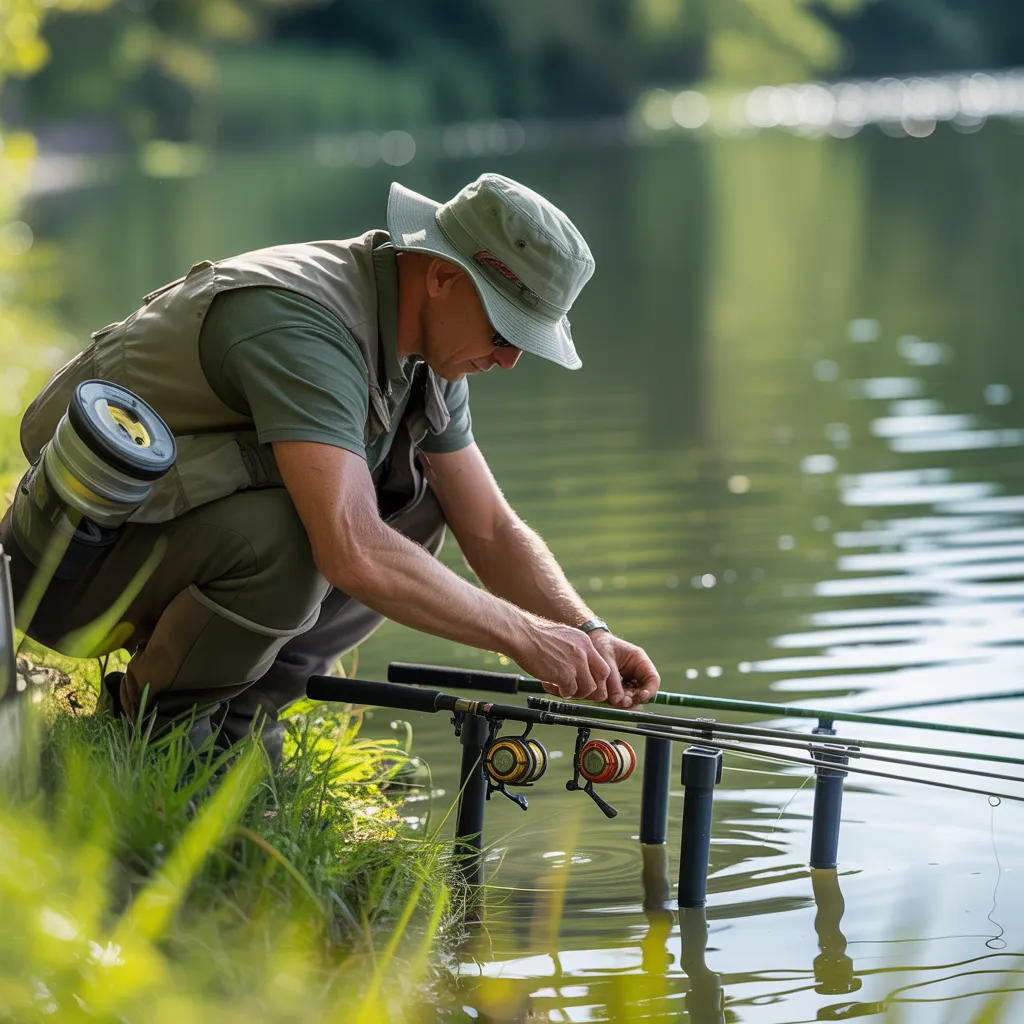
Grasping Carp Rod Essentials: Length, Action, and Power
When choosing carp rods, grasping the essentials of length, action, and power is vital for obtaining the best performance on the water. The length of a carp rod typically ranges from 10 to 13 feet, with longer rods delivering better casting distance and leverage, while shorter rods offer greater control in tight spaces. Action relates to how the rod bends under load; a fast action rod bends near the tip, allowing for quick hook sets, while a slow action rod flexes throughout, offering a more forgiving fight with the fish. Power, measured in respect to weight capacity, groups rods into light, medium, and heavy ratings, influencing the angler's ability to handle varying carp sizes and fishing conditions. Comprehending these three elements guarantees anglers choose a rod that not only fits their personal fishing style but also enriches their overall experience on the water.
The Significance of Rod Action When Fishing for Carp
Even though the action of a carp rod may feel like a minor detail, it fulfills a pivotal role in deciding an angler's success on the water. Rod action indicates how much and where a rod bends when pressure is applied, substantially shaping the angler's ability to cast, control, and land fish.
You'll find three key types of rod action: fast, medium, and slow. Fast action rods flex mainly at the tip, providing quick response and sensitivity, which is perfect for detecting delicate bites. Medium action rods provide a balance, enabling for both casting distance and adequate fish control. Slow action rods curve throughout the length, making them much more forgiving, specifically useful for beginners or when targeting larger carp.
Choosing the appropriate rod action ensures that anglers can successfully handle their tackle and adapt to the dynamic nature of carp fishing, eventually elevating their complete experience on the water.
Picking the Ideal Material for Carp Rods: Benefits and Drawbacks
Choosing the right material for carp rods is crucial, as it considerably impacts performance, durability, and overall fishing experience. Two primary materials lead the market: graphite and fiberglass.
Graphite rods are known for their responsive feel and light weight, enabling anglers to sense slight bites and cast with effortlessness. Nevertheless, they can be more fragile, leaving them vulnerable to breakage under extreme conditions.
In contrast, fiberglass rods provide superior durability and flexibility, which can be advantageous when tackling larger fish. They absorb shock better, reducing the risk of damage during vigorous fights. Nevertheless, fiberglass rods are generally heavier and less sensitive relative to their graphite counterparts.
At the end of the day, the choice between graphite and fiberglass relies on the angler's preferences, fishing technique, and the exact conditions they expect to encounter. Each material has its own set of advantages and disadvantages, making careful consideration essential.
Selecting the Ideal Carp Rod Length for Your Angling Approach
Finding the right carp rod length can greatly affect an angler's success on the water, as it directly influences casting distance, control, and overall fishing technique. Usually, carp rods vary from 10 to 13 feet, with longer rods delivering increased casting range, which is helpful for reaching distant spots. Shorter rods, on the other hand, deliver enhanced control and sensitivity, making them ideal for close-quarters fishing or tight spaces.
When choosing rod length, an angler's fishing style plays an important role. Those who prefer long-range casting may prefer rods around 12 to 13 feet, while those who fish in modest-sized lakes or riverbanks might prefer 10 to 11 feet. In addition, the rod's action and power should complement the chosen length, delivering top performance. Ultimately, understanding specific preferences and fishing conditions will guide anglers to choose a rod length that improves their overall experience on the water.
Planning Your Carp Rod Budget
When setting a budget for carp rods, anglers should carefully assess their fishing preferences and needs, as this decision can greatly impact their overall experience. A well-established budget helps in narrowing down possibilities, ensuring that anglers identify a rod that not only satisfies their specifications but also aligns with their financial boundaries.
Generally, carp rods can vary from economical entry-level models to elite professional gear. It is vital for anglers to evaluate the attributes that matter most to them, such as rod construction, action, and length, as these factors can determine the price.
Moreover, setting aside funds for accessories like reels and lines is crucial, as they enhance the rod's performance. By setting a clear budget, anglers can make well-considered decisions that elevate their fishing experience without overspending, ultimately bringing greater satisfaction and success on the water.
Leading Carp Rod Brands Worth Your Attention
With a budget established, fishermen can explore the leading brands that provide quality carp rods suited to different fishing styles and preferences. One outstanding brand is Shimano, renowned for its cutting-edge designs and sturdy materials, making it a favorite among committed anglers. Another reputable option is Nash, which focuses on high-performance rods that accommodate tournament and leisure fishermen equally. For those seeking affordability without sacrificing quality, Abu Garcia offers a range of trustworthy rods that fit diverse skill levels. Additionally, Fox International delivers specialized carp rods created for specific fishing conditions, delivering versatility in tackle choices. Finally, Daiwa is known for its state-of-the-art technology and craftsmanship, engaging both veteran fishermen and novices. Each of these brands provides distinctive features and advantages, permitting anglers to find the optimal carp rod that meets their fishing needs.
Essential Maintenance Advice for Extending Your Carp Rod's Life
Maintaining carp rods is important for ensuring their longevity and performance. A consistent cleaning practice helps eliminating dirt and debris, while correct storage practices protect the rod from damage. Implementing these practices can significantly increase the lifespan of any carp rod.
Standard Maintenance Protocol
A consistent cleaning routine is essential for increasing the lifespan of carp rods. Routine care not only maintains the rod's appearance but also guarantees its performance. Once each fishing outing is complete, anglers should rinse their rods with fresh water to remove mud, salt, and accumulated debris. A soft cloth can be used to dry the rod, paying attention to the guides and reel seat to inhibit corrosion. For tough spots, a mild soap solution may be applied, followed by thorough rinsing. Reviewing the rod for any signs of wear or damage during cleaning enables early intervention. Furthermore, making sure that the rod is completely dry before storage avoids mold and mildew, subsequently increasing its durability and functionality over time.
Proper Storage Techniques
Correct storage methods play a crucial role in preserving the integrity and functionality of carp rods after they have been cleaned. Anglers should store rods vertically in a dedicated rack or rod holder to avoid bending or warping. If space is limited, a rod tube can provide additional protection. It is crucial to keep rods away from direct sunlight, as UV rays can degrade materials over time. Humidity should also be controlled; a cool, dry environment is ideal to avoid mold and corrosion. Finally, making sure that all guides and reel seats are free from dust and debris can further prolong the lifespan of the equipment. By following these practices, anglers can maintain their carp rods in prime condition for future use.
Frequently Asked Questions
What Are the Top Rod Holders for Carp Fishing?
The best rod holders for carp fishing include robust bank sticks, adjustable rod pods, and dedicated bite alarms. These options deliver secure positioning, user-friendliness, and functionality, elevating the overall angling experience for fishing enthusiasts.
How Do I Transport My Carp Rods Safely?
To safely transport carp rods, fishing enthusiasts should employ hard cases or supplementary information padded rod sleeves to shield from potential damage. Fastening rods with straps in a vehicle prevents movement, while disassembling them minimizes breakage risk.
Can I Use Baitcasting Reels With Carp Rods?
Yes, baitcasting reels can be used with carp rods. Nevertheless, anglers should take into account the rod's action and power, as well as the precise fishing conditions, to achieve optimal performance and tackle compatibility for carp fishing.
What Equipment Enhances Carp Rod Performance?
Equipment like high-quality reels, braided lines, rod pods, and bite alarms significantly improve carp rod performance. Furthermore, utilizing appropriate bank sticks and landing nets ensures a more productive and pleasant fishing experience for anglers.
What Knots Are Recommended for Carp Fishing?
In carp fishing scenarios, the Palomar and Improved Clinch knots come highly recommended. These knots provide dependable and robust connections, guaranteeing line security under pressure, which is essential for properly landing large carp.